An indoor security camera shouldn't be an isolated device that you only interact with via a standalone app. The true power of modern security hardware reveals itself when it is integrated into a broader smart home ecosystem. By linking your cameras to platforms like Amazon Alexa, Google Assistant, or Apple HomeKit, you unlock automations, voice control, and cross-device functionality.
Voice Control and Smart Displays
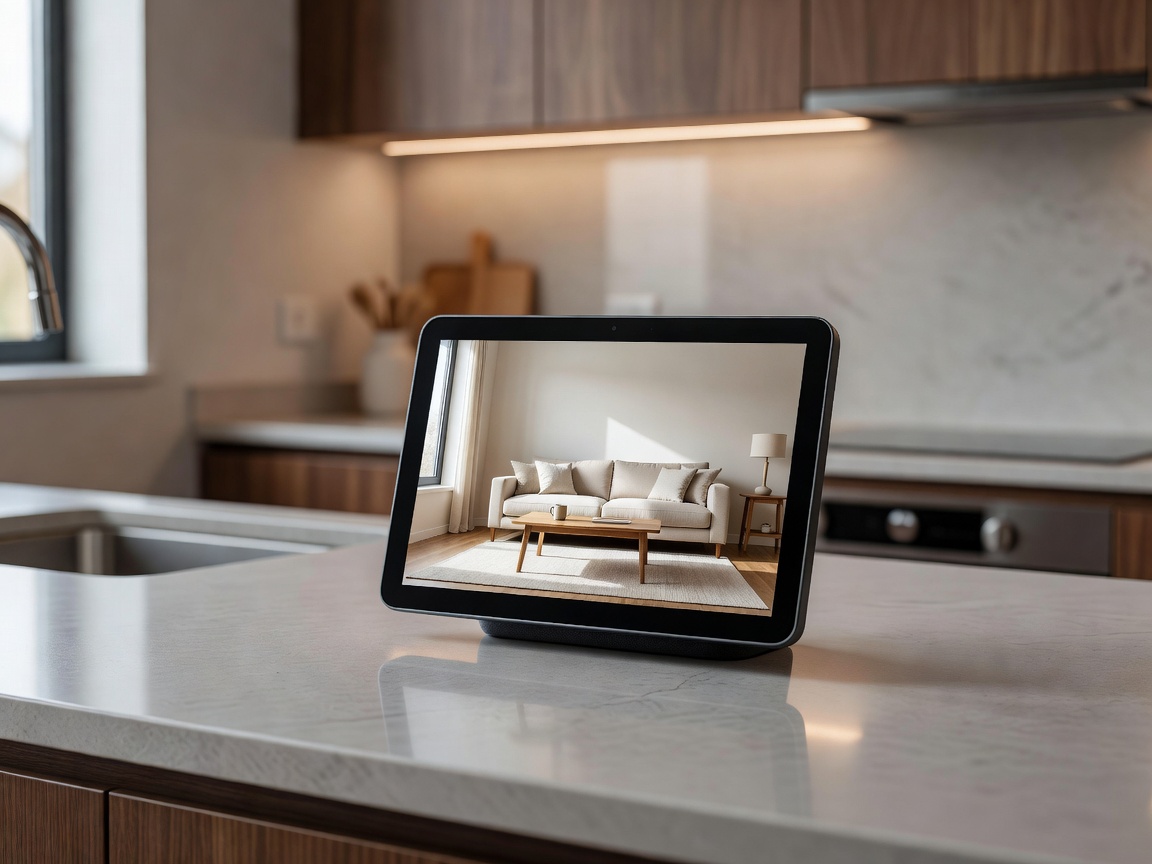
The most immediate benefit of smart home integration is the ability to cast your camera's live feed to smart displays and televisions. If you are cooking in the kitchen and want to check on the baby sleeping upstairs, you don't need to wash your hands and dig your phone out of your pocket.
By simply saying, "Alexa, show me the nursery camera" or "Hey Google, stream the living room to the TV," the live feed appears on your Echo Show, Nest Hub, or compatible smart television. This frictionless access makes monitoring significantly more convenient.
Creating Security Automations
Integration allows different devices to talk to one another, creating powerful "If This, Then That" (IFTTT) style routines.
- Lighting Triggers: If a camera in the hallway detects motion after midnight, it can automatically trigger the smart bulbs in that hallway to turn on at 20% brightness, guiding your way to the bathroom.
- Alarm Responses: If an indoor camera detects a person while the system is set to "Away" mode, the ecosystem can be programmed to flash all smart lights in the house red, blabber a warning message through smart speakers, and notify your phone simultaneously.
- Thermostat Coordination: Some advanced setups use camera motion sensors to inform the smart thermostat which rooms are currently occupied, optimizing heating and cooling dynamically.
Choosing Your Ecosystem
Before purchasing a camera, it is vital to verify its compatibility with the ecosystem you already use or intend to build.
Amazon Alexa / Google Home: These two platforms offer the broadest compatibility. The vast majority of consumer cameras support both ecosystems. They excel at voice commands and smart display casting.
Apple HomeKit: Apple's ecosystem is notoriously stricter regarding security standards, meaning fewer cameras natively support HomeKit. However, those that do gain access to HomeKit Secure Video (HSV). HSV encrypts the video end-to-end and processes motion detection locally on an Apple home hub (like an iPad or Apple TV) rather than sending it to a third-party server, offering superior privacy.
The Emerging Standard: Matter
The smart home industry is currently undergoing a massive shift towards a unified standard called "Matter." Backed by Apple, Google, Amazon, and others, Matter aims to allow smart devices to communicate locally and seamlessly regardless of the brand. While camera support in the Matter specification is still evolving, purchasing hardware from companies committed to this new standard will ensure your cameras remain relevant and integrated for years to come.